

Homelessness and housing instability are deeply connected to behavioral health. Mental illness, substance use disorders, trauma, and life crises can all contribute to housing loss, and the stress of homelessness in turn worsens mental health, making treatment more difficult. Tellurian's housing support services take a 'Housing First' approach, recognizing that stable shelter is a prerequisite, not a reward, for mental health and recovery progress. Our programs connect individuals to housing resources while simultaneously providing behavioral health treatment, case management, life skills development, and peer support.
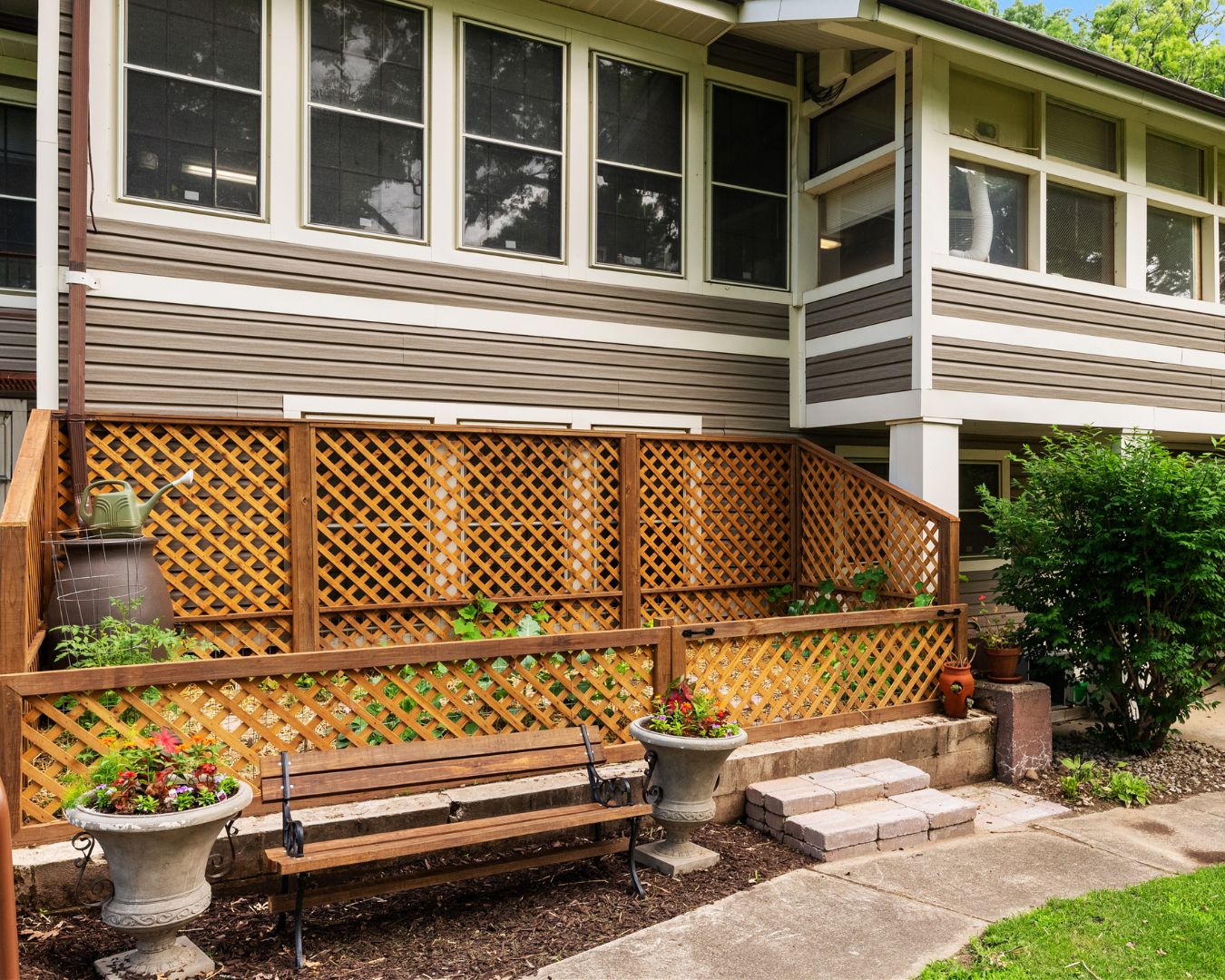

Tellurian's housing programs are designed to meet individuals wherever they are on the stability continuum — from supporting individuals obtain benefits to long-term supportive housing for those with serious mental illness or substance use disorders. Every program integrates behavioral health services with housing support to address the whole picture.
Tellurian's housing programs serve:
Some of the Treatments We Incorporate:
Accessing Tellurian's housing support begins with a needs assessment to understand your current situation, goals, and eligibility for specific programs. Our case managers work with you to identify the right housing option, connect you to benefits and community resources, and provide ongoing support to help you maintain housing stability over time.
The rich text element allows you to create and format headings, paragraphs, blockquotes, images, and video all in one place instead of having to add and format them individually. Just double-click and easily create content.
A rich text element can be used with static or dynamic content. For static content, just drop it into any page and begin editing. For dynamic content, add a rich text field to any collection and then connect a rich text element to that field in the settings panel. Voila!
Headings, paragraphs, blockquotes, figures, images, and figure captions can all be styled after a class is added to the rich text element using the "When inside of" nested selector system.
Case management and outreach services, providing those experiencing homelessness with the resources to obtain temporary or permanent housing solutions.
Class A Community-Based Residential Facilities (CBRF) with a mission of greater patient independence and quality of life. Group Homes offer skills, opportunities, empowerment, and resources.
Facilities where patients can form new habits in healthy environments. Chandra’s House of Hope and Jeremy’s Place are Sober Living Homes.
A Community-Based Residential Facility (CBRF) supporting residents experiencing homelessness and searching for housing, employment, and behavioral health services.
